Maze & Friends does hospitality marketing from Vienna for restaurants, hotels and food brands. Guests decide on their phones whether to come. We make sure your business looks as good there as it tastes: with food photography, social media, your Google profile, local ads and recruiting spots that bring applications.
In short: Hospitality marketing is everything restaurants, cafés, hotels and food brands use to win new guests, keep regulars and find staff: Google Business Profile, website with menu and reservations, food photography, social media, reviews and local ads. Maze & Friends, the marketing agency from Vienna, puts this into practice for businesses in Austria and the DACH region, from the brand to the campaign around your location.
Source: Maze & Friends company data.
A guest looking for somewhere to eat on Saturday sees Google first: three phone photos from the opening night, a menu as a blurry PDF, two reviews from two years ago. Next to it, a business with fresh images, a current menu and replies to reviews. The decision is made in seconds. It rarely goes to the better kitchen; it usually goes to the better presence.
Then there is everyday life: between lunch and evening service there is no time for Instagram, the delivery platform shows photos nobody approved, and the job ad for the kitchen has been running for months without a usable application. Young people apply where they can see what the team is like, not where an ad has been posted. And the regulars who keep the business going only hear about the new menu when they happen to drop by.
For hotels, wineries and food brands, the same applies with different numbers: beds outside the season, products on the shelf between better-known brands, importers who don’t know the business. Everywhere, what decides is whether quality becomes visible before anyone tastes it. That doesn’t take a big machine. It takes a presence that suits the business and stays manageable alongside daily operations.
What does your business stand for in one sentence, and for whom? We clarify the concept, tone and visual language before anything is photographed or posted, as with AHOM Retreats, where the brand came first and the enquiries via social media followed.
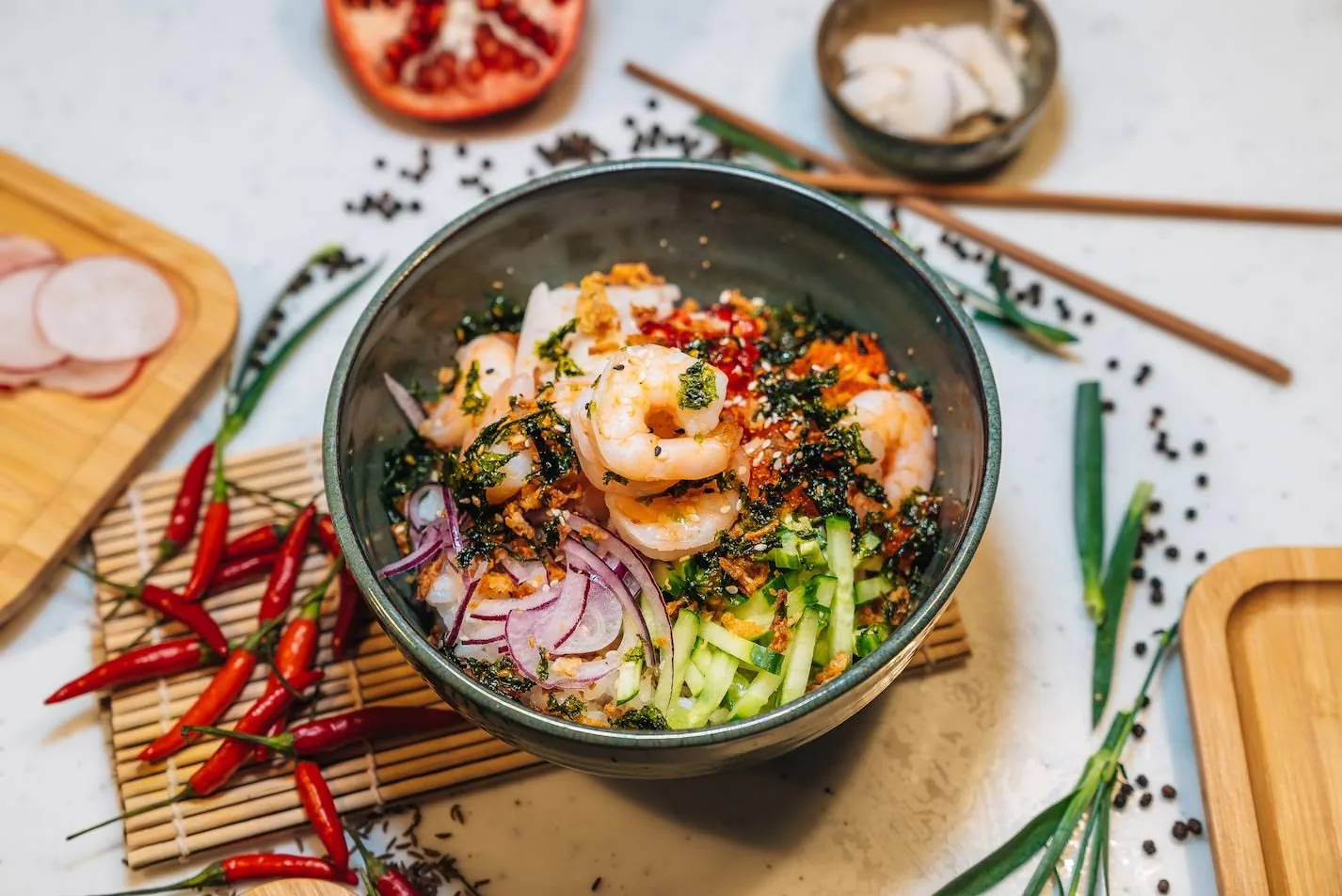
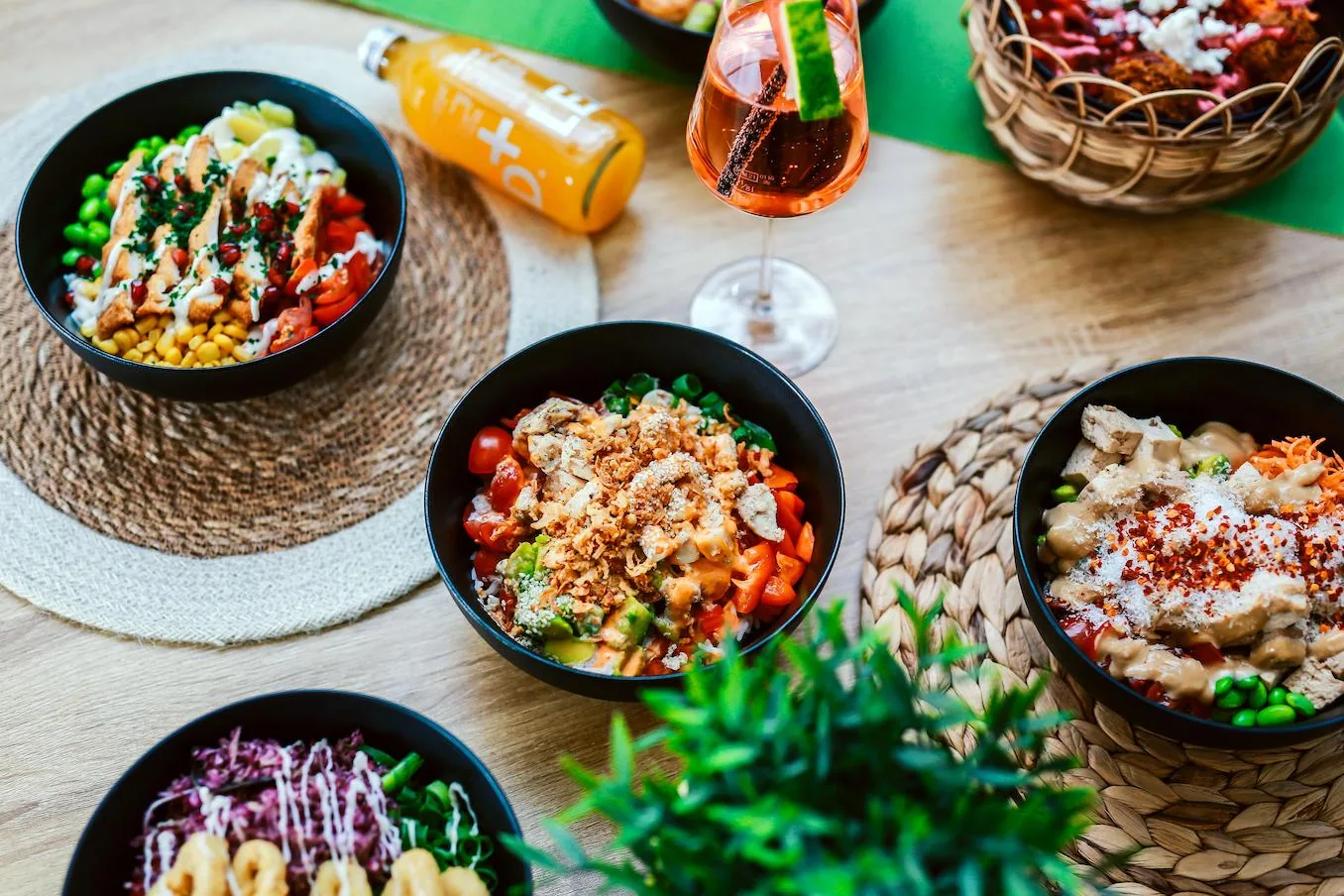
Dishes, space and team, photographed with lighting and styling instead of a phone, plus cutouts for the menu, delivery platforms and ads. At Bowl Kuchl, food photography and cutouts brought more online presence and new guests from the area.
One content shoot delivers material for weeks: reels from the kitchen, dishes, people, promotions. We plan the content and tone, produce and publish, as with ONO Bowl & Tea in Wiener Neustadt, where the result was more organic reach.
Your Google Business Profile is often the first page a guest sees of you: current photos, menu, opening hours, replies to reviews. Add a website that works on mobile, with menu, reservations and tracking, so you know where guests come from.
Campaigns on Instagram, Facebook and Google around your location: the lunch menu for nearby offices, brunch for families, events for the people they interest. With a small budget and measurable all the way to the reservation.
A recruiting spot shows the team and everyday work before anyone applies, targeted at people who work in hospitality and would switch. At ONO Bowl & Tea, that brought more applications.
Which guests are missing when, what does your presence look like today, which roles are open? Then you get a fixed-price quote.
We look at your Google profile, reviews, website, social media and delivery platforms and compare them with businesses near you. That shows the first lever.
Positioning, tone and look are defined, along with a content calendar that suits your business and doesn’t eat up time every day.
One production day yields food, space, team and reels. We shoot before or after service, so the business keeps running.
Google profile, website, social media and ads are refreshed with the new material, with tracking all the way to the reservation or application.
Reach, reservations, reviews and applications are evaluated, and budget and content adjusted. Ongoing support has a three-month minimum term, then it is cancellable monthly.
We don’t buy reviews. We don’t write fake ones either, because that is prohibited, gets found out and does more damage than any bad review. We help you get genuine reviews and reply to them objectively, including the uncomfortable ones.
We aren’t a hospitality consultancy for costing, food cost or kitchen organisation, and we don’t operate a reservation or till system. What we do is your outward presence: how your business is found, how it looks and why someone comes. Where reservation tools or delivery platforms are involved, we work with the providers you already use.
We don’t post for the sake of the calendar. A post every day without a goal costs time and achieves little. Better one shoot with material for weeks, a plan that fits your daily routine, and ads that measurably bring guests.
Businesses that want more guests from the area, better occupancy at quiet times and staff who stay. Here, the Google profile, food photos and local ads work particularly fast, and a recruiting spot shows applicants the team before they even read the job ad.
Hotels and providers that need guests outside the season and want to be booked directly instead of via platforms. Film, photos and campaigns show the experience before anyone books, as with the AHOM retreats.
Wineries, food manufacturers and food start-ups that want to reach retail, hospitality or export markets. For five Austrian wine producers, we delivered a market trip, brochures in three languages and an event in Kazakhstan, resulting in three potential importers.
Whether a presence works shows in reservations and applications, not in likes. You can check these four points with us.
Concept, food photography, social media, Google profile and ads are created in the same team. For ONO Bowl & Tea in Wiener Neustadt, the content shoot, social media and recruiting spot came from one source.
The senior people from the initial call also plan the shoot at your premises, before or after service, so the kitchen keeps running. That slows our growth. We accept it.
Reservations, reviews and applications, measured all the way to the reservation. Reach is a means, not a result.
We tell you when an idea costs a lot and delivers little. A post every day without a goal usually falls into that category.
Services
More industries
Hospitality marketing is everything that brings a restaurant, café, hotel or food brand new guests, keeps regulars and finds staff. Online, that includes the Google Business Profile, a mobile website with menu and reservations, food photography, social media, handling reviews and local ads. On site, the menu, promotions, newsletters and the experience itself count, which guests pass on. Good hospitality marketing combines both and is designed to stay manageable alongside service.
Good marketing strategies in hospitality start where guests make decisions. That means local visibility through the Google profile and reviews, visual presence through food photography and reels, direct reach through local ads, loyalty through newsletters, promotions and regulars’ programmes, and partnerships and events with businesses nearby that bring new guests in. Which strategy comes first depends on the problem: empty tables at lunch, weak weekdays, missing staff or a new concept nobody knows yet.
Advertising a restaurant starts with the Google Business Profile, because that is where guests searching nearby land. Current photos, the menu, opening hours and replies to reviews matter. Next come Instagram and Facebook with real images from the kitchen and dining room, and local ads around your location, such as the lunch menu for nearby offices. Posters or flyers can add to this in the neighbourhood but are hard to measure. In the end, everything should lead to one action: book, order, drop by.
In hospitality, social media is the shop window guests look into before they come. At the same time, potential staff form a picture of the team there. Instagram and Facebook show dishes, people and atmosphere, and reels from the kitchen also reach people who don’t know the business yet. Quality and regularity matter, not frequency: one content shoot delivers material for weeks, and a simple content calendar keeps the effort small. At ONO Bowl & Tea, this approach brought more organic reach and more applications.
Professional food photos matter because guests decide with their eyes long before they taste anything: on Google, on delivery platforms, on Instagram and on the menu. Phone photos under artificial light make even good cooking look cheap. A food shoot with lighting, styling and cutouts delivers images that work for months on every channel, and shows the space and the team at the same time. At Bowl Kuchl, food photography and cutouts brought more online presence and new guests from the area.
What marketing for a restaurant or hotel costs depends on the starting point: are there usable photos and a working website, or does everything start from zero? The biggest items are shoot days for photos and reels, rebuilding the website and Google profile, and the ad budget for local ads, which goes straight to the platforms. We bill ongoing management of social media and ads monthly, with a three-month minimum term, then cancellable monthly. Projects such as a shoot are one-off. You get the fixed-price quote after the initial call.
You find hospitality staff with material that shows what the team is really like, placed where skilled people spend their free time. That includes a short recruiting spot, real photos from the kitchen and front of house, and an honest job description with shift times and pay. It runs as an ad around your business, targeted at people who work in hospitality and would switch, with a short form instead of an applicant portal. At ONO Bowl & Tea in Wiener Neustadt, the recruiting spot brought more applications.
For many hospitality businesses, the Google Business Profile is the first point of contact, because that is where guests searching nearby decide in seconds. Current photos, a readable menu, correct opening hours and replies to reviews make the difference from the place next door. Reviews work twice: as trust for new guests and as a signal to Google about whom to show first. Actively ask satisfied guests for a review. Reply to every one, including critical ones, and keep the profile as up to date as the menu.
In hospitality, online marketing mainly brings guests who would otherwise not have found the business, and better occupancy at times that used to be quiet. An ad for the lunch menu reaches offices nearby, a reel from the kitchen reaches people looking for something new at the weekend, and the Google profile reaches everyone who happens to be close by. It becomes measurable through reservations, calls, direction requests and orders. The advantage over posters and flyers: you can see what works and move the budget there.
Yes, especially for a single business, because it competes within a few kilometres, not nationwide. There, a well-kept Google profile, one shoot with material for weeks and local ads with a small daily budget are enough to be visible. The order matters: profile, photos and website first, then ads, otherwise the budget burns on a presence that makes guests bounce. And a small business has an advantage chains don’t: a face, a story and a team you can show.
Hotels and tourism businesses sell an experience guests can’t test before booking, and they compete with booking platforms for the direct booking. That is why film, photos and the voices of real guests work better than price lists, and why your own website has to make booking as easy as a platform does. Then there are seasonal patterns: campaigns have to fill beds when they are empty, not in weeks when everything is fully booked. At AHOM Retreats, the brand came first, followed by social ads and content, with a fully booked programme as the result.
You measure hospitality marketing by actions, not likes: reservations via the website, calls and direction requests from the Google profile, orders, redeemed promotions, applications for a job. That needs simple, GDPR-compliant tracking on the website and ads, plus the statistics from the Google profile. It is also worth asking at the table or when taking a reservation how the guest found you. Reach and followers are early indicators. They aren’t revenue, which is why we align budget and content with the actions.
A marketing agency for hospitality takes care of the outward presence that the business has no time for. That includes positioning, food photography and reels, social media, the Google profile and website, local ads and recruiting spots, plus measuring which of it brings guests. The difference from a general advertising agency lies in understanding service times, seasons, delivery platforms and staff shortages. Maze & Friends works from Vienna and plans production and publishing so that the business keeps running and the effort stays small for you.
Referral marketing is legitimate as long as the recommendation is genuine: satisfied guests who write a review, regulars who bring friends, partnerships with businesses in the neighbourhood. Bought or fake reviews and hidden advertising, such as paid influencer posts without labelling, are dubious and prohibited. Both get found out and cost more trust than they bring. Legitimate routes are to ask for reviews actively and in a friendly way, reply to every one and label partnerships clearly as such.
Still have questions?
In the initial call, we answer whatever is still open and tell you honestly whether we are the right fit for your project.
In a free 30-minute call, we clarify where your business is losing guests online and which step will have an effect first. Then you get a fixed-price quote: consulting that also delivers.






 Recruiting videos that get applications
