Maze & Friends is the marketing agency from Vienna for industry and manufacturing. We turn plant, processes and know-how into a presence that buyers, partners and applicants understand at once. On a factory tour, you manage that effortlessly. Online, so far, only with the people who read the data sheet to the end.
In short: Maze & Friends from Vienna makes sure strong brands get found by AI and chosen by humans. As a marketing agency for industry, Maze & Friends works with brand film, business photography, website, LinkedIn and AI visibility. Industrial marketing is aimed at businesses that sell technical products, plant or components to other companies: long decision paths, several people involved, and a product that needs explaining.
Source: case study iSi Group, Maze & Friends company data.
Many industrial businesses have lived for decades on quality, referrals and trade fairs. That works as long as the buyers stay the same. Now a generation is moving up that checks suppliers online first, on the website, on LinkedIn, on Google and more and more often in ChatGPT. Anyone showing only a product photo from 2012 and a PDF brochure drops out of the shortlist before sales is even allowed to call.
Then there is the burden of explanation. A laser system, an aluminium profile or a system running in a hospital doesn’t sell through a data sheet. Decision-makers want to understand what the technology does in everyday use, who stands behind it and whether the business will still be around in five years. That can be shown, but not with stock photos.
And then there are the skilled workers: shift supervisors, fitters, technicians. They rarely read job boards, but they look very closely at how a business presents itself. A film that shows the hall, the machines and the people honestly therefore works twice, in sales and in recruiting. The photos for the website, quotes and LinkedIn are taken on the same shoot day.
Before the camera rolls, we clarify the one sentence buyers should remember about you. To do that, we talk to management, sales and engineering and condense it into statements that even a decision-maker from outside the field understands. This foundation carries film, website and LinkedIn.
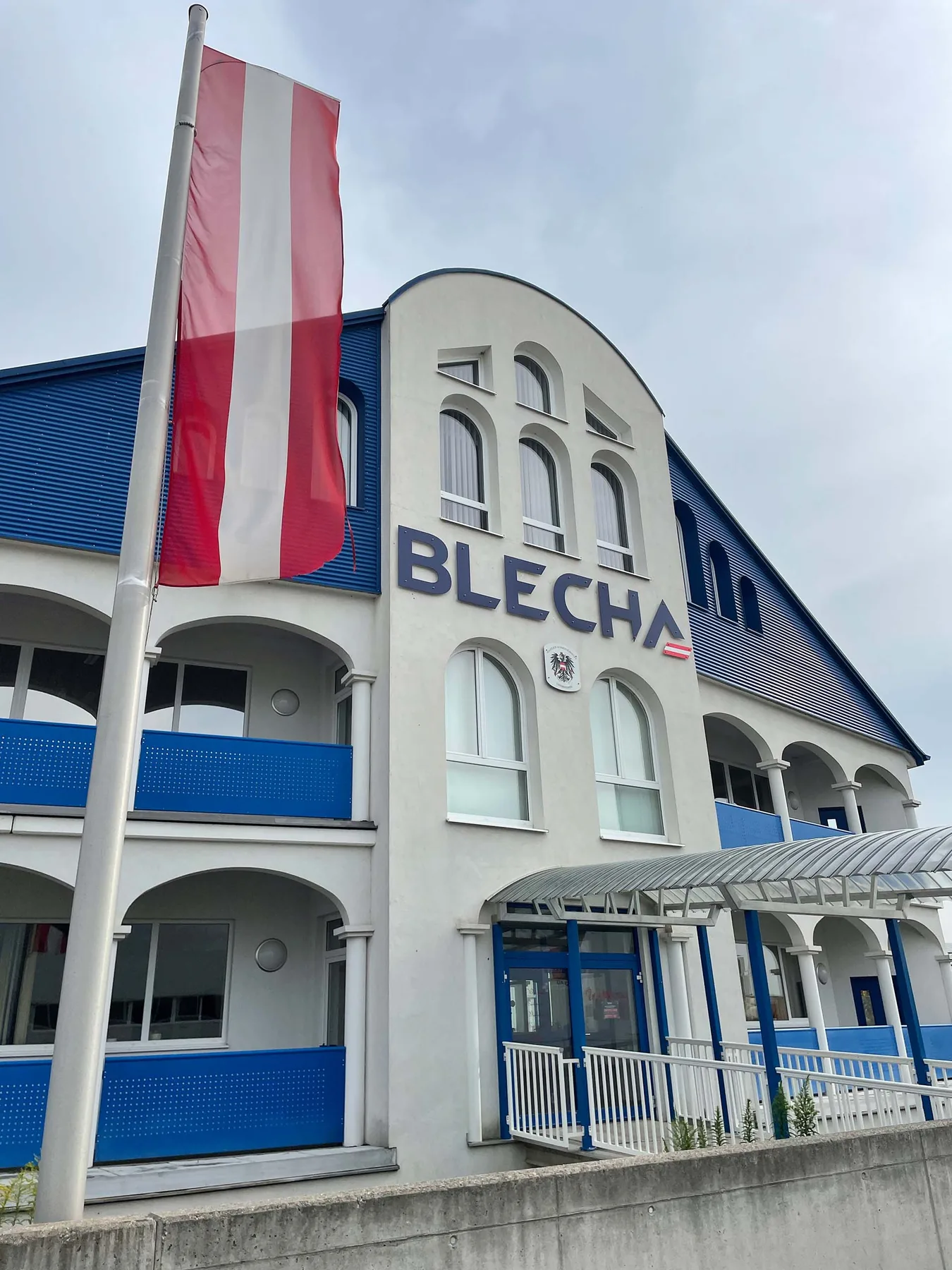
Interviews with management and technicians, machines in live operation, drone footage of the plant and grounds if you wish, plus photos from the same shoot day. As with iSi Group, Blecha or Dr. Bohrer Lasertec: one main film for the website, trade fairs and sales, plus short versions for LinkedIn and ads.
A website that explains products instead of listing them: use cases, references, contact people and an enquiry with no hurdles. Clean tracking shows you which pages and channels bring enquiries. The content is built so that Google and AI assistants can read it.
Posts for management and sales, ads on LinkedIn and Meta, worldwide if needed, as with Blecha. What counts are enquiries from the right companies, measured all the way to the form.
When a buyer asks ChatGPT for providers of a process, your business should be named. That is exactly what GEO, optimisation for AI assistants, is about: we build pages and evidence that ChatGPT, Perplexity and Google’s AI Overviews can read and cite, and we measure regularly whether and where you appear.
Recruiting video, employee photos and a careers page for roles no job ad fills. Lumitech uses the corporate film from a single shoot day for customers and applicants alike.
What do you sell to whom, where does it get stuck, what already exists? Then you get a fixed-price quote with shoot days, services and usage rights.
Next, we check how buyers find you today: Google, LinkedIn, AI assistants and your competitors’ presence. That shows where the first lever lies.
In a workshop with management, sales and engineering, the core message, target groups and formats take shape before anything is produced.
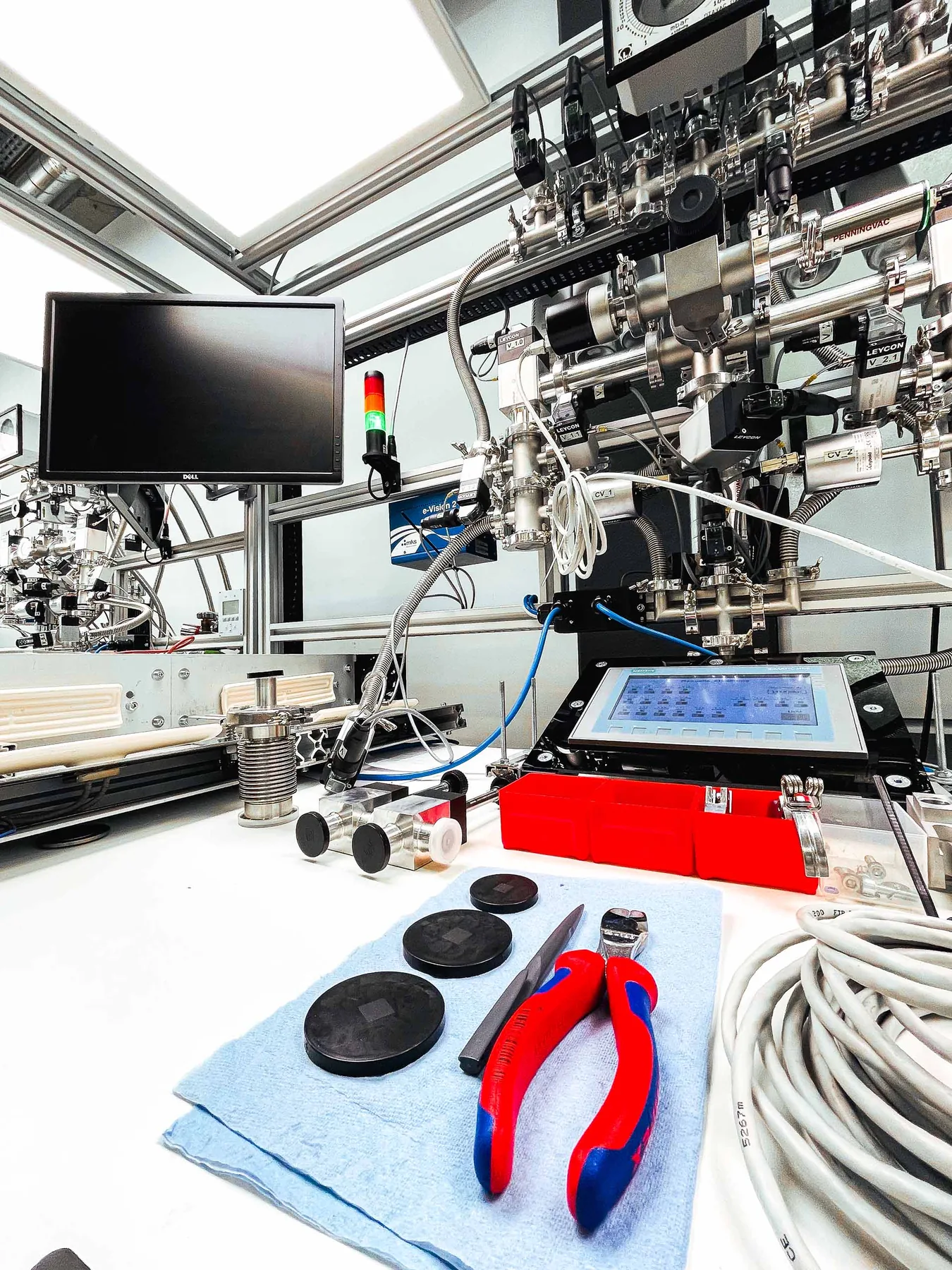
On one or two shoot days, film and photos are produced in the factory, planned so that production keeps running. We clarify safety and confidentiality rules in advance.
The material goes onto the website, LinkedIn and into ads, with tracking all the way to the enquiry. You get every format and the usage rights.
Afterwards, we evaluate enquiries, visits and reach and rebuild whatever doesn’t work. Ongoing support has a three-month minimum term, then it is cancellable monthly.
We don’t build trade fair stands, write technical documentation or replace your sales team. What we deliver is the presence that makes sales and trade fairs easier: film, photos, website, LinkedIn and ads that build trust long before anyone visits your stand or requests the first quote.
We don’t invent stories either. An industrial film that shows the business as bigger or more modern than it is gets exposed at the first factory visit. We show what is there, and in most businesses that is more than they themselves consider worth showing.
If a film is the wrong tool right now, we tell you, for example when the website can’t yet take an enquiry or the positioning is stuck between three business areas. Then we start there. In that case, the fixed-price quote covers exactly that step.
Long sales cycles, large investments, several decision-makers per order. Here, trust before the first conversation is what counts, and a film that shows the machine in action keeps working for years in sales and at trade fairs.
To customers, you are interchangeable until they understand why you aren’t. Positioning, website and LinkedIn make visible the difference your technicians otherwise have to explain in every conversation. That includes references you are allowed to quote and contact people with a face.
Businesses with history and substance, like the iSi Group with five generations and three business areas. A brand film condenses that into a core that sales, recruiting and partners use together, and that will still be true in five years. For the iSi Group, the collaboration brought +150% reach and twice as many B2B enquiries.
Industrial clients vet their suppliers thoroughly. An agency should be vetted just as closely, on four points you can check for yourself during the project.
Positioning, industrial film, website and campaign are created in the same team. For Blecha, the brand film with drone footage and worldwide social ads came from one source.
The senior people from the initial call also sit in the workshop with management, sales and engineering and work on the project. That slows our growth. We accept it.
Enquiries from the right companies, applications and quote meetings, measured all the way to the form. Reach is a means, not a result.
If your website can’t take an enquiry yet, we say so before the shoot day and start there. Even if a film would be the bigger job for us.
Services
More industries
“I really enjoyed working with Maze & Friends. I feel the Americans would say: ‘to nail it down’. They got it spot on. They managed to sum up something that perhaps isn’t easy to convey, present it well and get it across in a way that everyone can understand.”
“I would really like to thank Maze & Friends warmly: for the good cooperation, the excellent collaboration and the professional preparation for our new video.”
Industrial marketing is marketing for companies that sell technical products, plant or components to other companies. It differs from consumer marketing through long decision paths, several people involved per order and a product that has to be explained before anyone buys. Typical tools are brand film and industrial film, business photography, a website with use cases and references, LinkedIn content, trade fair appearances and trade media. The aim is trust, among buyers, partners and applicants, before sales starts the conversation.
A marketing agency for industry translates technical performance into content that buyers and decision-makers understand. That includes positioning, brand film and photos from the business, a website with tracking, LinkedIn and ads, and increasingly visibility in AI assistants. The difference from a classic advertising agency lies in understanding technology, sales cycles and confidentiality. At Maze & Friends, the senior people from the initial call also work on the project, from the message to the measurement.
B2B marketing in industry is aimed at a few well-informed decision-makers rather than a broad public, and an order comes about over months rather than seconds. Usually several people are involved: purchasing, engineering, management. Each of them needs different answers, from the application and delivery capability to the future of the business. That is why explanatory formats such as film, application examples and references work better than slogans. Emotion still plays a part, because buyers want to know whom they are dealing with too.
What marketing for an industrial company costs depends mainly on where you start: with a usable website and imagery, or from zero. The biggest items are shoot days in the factory for film and photos, rebuilding the website and the ad budget that goes straight to LinkedIn or Meta. Typical cost drivers in industry are drone footage over the site, voiceover, subtitles in several languages for export markets and the number of cuts. Projects are one-off; ongoing support has a three-month minimum term and is then cancellable monthly. The fixed-price quote follows the initial call.
An industrial film shows the plant, processes and people of a technical business in a way that lets customers, partners and applicants understand what is achieved there. It is usually more documentary than a classic brand film and works with interviews, footage of live operations and often drone shots of the factory and grounds. Its cost is set mainly by shoot days, locations, post-production and language versions, and our guide to brand film costs explains in detail what else moves the price. Well planned, one shoot also delivers short versions for LinkedIn, ads and trade fairs.
In industrial marketing, the channels that work are the ones where buyers check suppliers: your own website, Google, LinkedIn, trade media and trade fairs, and increasingly AI assistants such as ChatGPT. The website is the hub where all other channels land. LinkedIn suits management and sales showing expertise, and ads there reach decision-makers by industry and job function. Instagram is usually worthwhile mainly for recruiting. What matters is less the choice of channel than content that makes technology understandable and can be reused on every channel.
Yes, LinkedIn is worth it for industrial companies, because the decision-makers who are otherwise hard to reach are there: buyers, technical directors, managing directors. Posts by people work best, not posts by logos: a managing director explaining a project, a technician demonstrating an application. The company page adds film, photos and references. Paid ads can be targeted by industry, company size and job function, worldwide too. What matters is regularity over months, not a single post at the start of a trade fair.
Buyers find new suppliers online first today: through Google, LinkedIn, trade portals and more and more often through AI assistants to which they describe a specific requirement. Referrals and trade fairs remain important but are checked online. Anyone who doesn’t appear in this pre-selection, or stands out with a dated presence, never gets into the conversation. That is why the website has to show use cases, references and contact people clearly, and the content has to be structured so that AI systems can read and cite it too.
Complex technology becomes understandable when you show the benefit before the process: what becomes better, faster or safer, and for whom? Only then comes the how. In film, the people who work with it every day explain it best, in their own words rather than memorised lines. Footage of live operations, an application at the customer’s and simple graphics replace jargon. That is how we approached the portrait film for Dr. Bohrer Lasertec and the brand film for Pregenerate: technology that even a decision-maker from outside the field can place after two minutes.
Marketing in mechanical engineering works over months, not over one campaign: it accompanies decision-makers from the first research to the signature. It starts with explanatory content such as use cases, references and a film that shows the machine in action. While the decision is being checked internally, LinkedIn keeps the contact alive, and sales gets material for quotes and factory visits that tells the same story as the website and film. It becomes measurable through enquiries, quote meetings and the question of where new customers came from. What matters is a presence that still holds true in year three.
Yes, because sought-after skilled workers such as shift supervisors, fitters and technicians don’t read job boards, but they see how a business presents itself. Employer branding shows the hall, the machines and the colleagues as they are and answers openly how work is done. The material can come from the same shoot as the brand film: Lumitech uses the corporate film from one shoot day for customers and applicants alike. It also includes employee photos, a careers page that answers questions about pay and day-to-day work, and regional social recruiting campaigns.
Yes, filming in production is almost always possible if confidentiality and safety are clarified in advance. We agree with you beforehand which areas, machines and customer details must stay out of shot, plan the camera positions accordingly and clarify protective equipment, restricted zones and operating procedures, so nothing has to be improvised on the shoot day. Only what you approve is shown, and approval runs through you before any publication. Drone footage over the site also needs flight planning under the applicable rules, which we handle during preparation.
There is no single “best” marketing agency for industry, only the one that fits your task. Check three things: does the agency understand technical products and long sales cycles, does it show references from industry and manufacturing, and is an experienced person responsible for the project rather than a changing team? Ask for concrete examples, such as film, website and campaign for a comparable business, and how success is measured. Maze & Friends works from Vienna for industrial clients such as iSi Group, Blecha, Sumetzberger and Dr. Bohrer Lasertec.
You measure industrial marketing by enquiries and conversations, not clicks. What matters is how many qualified enquiries come in via the website and LinkedIn, how many of them turn into quotes and where new customers came from. The prerequisite is clean, GDPR-compliant tracking from the ad to the form. Early indicators are visits to product pages, watch time on the film and reactions from decision-makers on LinkedIn. With long sales cycles, it pays to ask sales regularly which content helped in conversations.
Still have questions?
In the initial call, we answer whatever is still open and tell you honestly whether we are the right fit for your project.
In a free 30-minute call, we clarify where buyers and applicants lose you today and which step will have an effect first. Then you get a fixed-price quote. Consulting that also delivers.






 Drone footage for companies

 What is a brand film? When it pays off