
Breathing, swallowing, chewing. Explained peer to peer.
For dentist Dr. Silke Waggershauser’s Dentosophie training programme, Maze & Friends produced six website videos and six testimonials, shot over two days, one of them in the middle of the course. Each video answers a question professionals ask before they sign up.
Maze & Friends from Vienna produced website videos and testimonials for Dr. Silke Waggershauser, a dentist and Dentosophie trainer. Dentosophie is a method built around breathing, swallowing and chewing. Seven original scripts became six questions, teleprompter copy and a storyboard. Two shoot days produced six website videos and footage from inside the course. On top of that came six testimonials from participants instead of the three planned.
Plenty of questions before anyone books.
Dentosophie works on three basic functions: breathing, swallowing and chewing. The aim of treatment is for all three to work together in harmony. Patients train with the Balancer, a prefabricated training device, at home and with support from the practice.
For professionals, this raises questions. What sets the method apart from splints, the bionator or conventional orthodontics? Which patient groups is it meant for? And what does it mean for everyday practice?
The audience is broad: dental and orthodontic practices, physiotherapy, osteopathy, speech therapy. All of them want to understand what lies ahead before they commit to a training programme. Silke’s content existed as seven original scripts, three of them devoted solely to comparisons with other methods. And the course itself was to become visible, because practising in small groups is an essential part of the training.
“What is it, what’s in it for me and how do I learn it?”
Three questions from fellow professionals. The website videos answer them in order.
How the project ran.
Every Maze & Friends project runs through the same nine steps, from the initial call to reporting. The list shows what actually happened in this project.
 01Reviewing the originals
Seven original scripts read and restructured. Three method comparisons became one video, and the result was six questions.
 02Scripts and storyboard
Teleprompter copy agreed with Silke. Plus 23 pages of storyboard: camera angles, subtitles, name captions, schedule.
 03Shoot day 1: website videos
Six videos in front of the teleprompter, from three angles. Plus short outdoor shots.
 04Shoot day 2: in the middle of the course
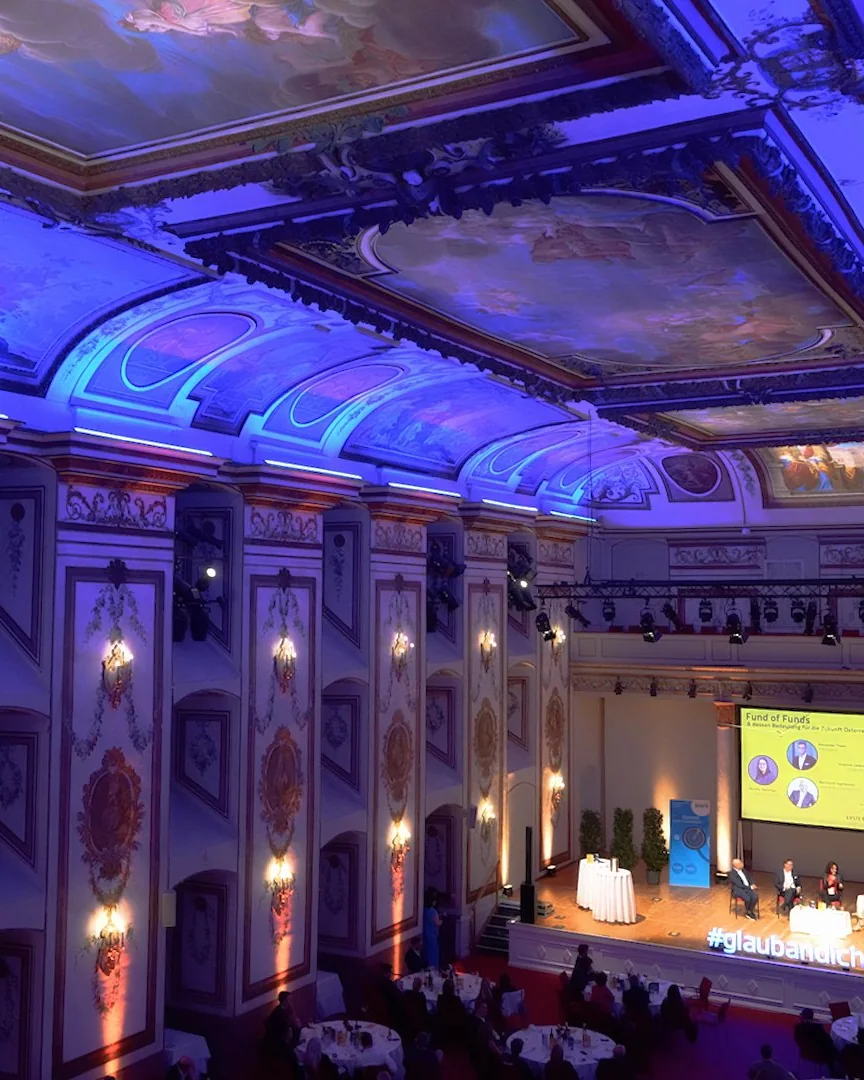
Lecture, exercises in small groups, certificates, group photo. In between, interviews with participants.
 05Edit and delivery
Editing and colour grading, subtitles for the reels. Six testimonials with thumbnails, where three had been planned.
 01Initial call02Analysis03Proposal04Briefing05Workshop06Approval07Production08Launch09Reporting
Questions first, then the camera.
Each website video answers one question. What is Dentosophie? Which practices is it right for? What does it change in everyday practice? What sets it apart from other methods? How do you learn it? What is the next step? At the end comes the invitation to the course. The second shoot day shows the course from the inside, with practitioners in front of the camera.

Six questions, six videos
One to two minutes each in widescreen format, without subtitles for the website. The videos build on one another, and the last one invites viewers to the course.
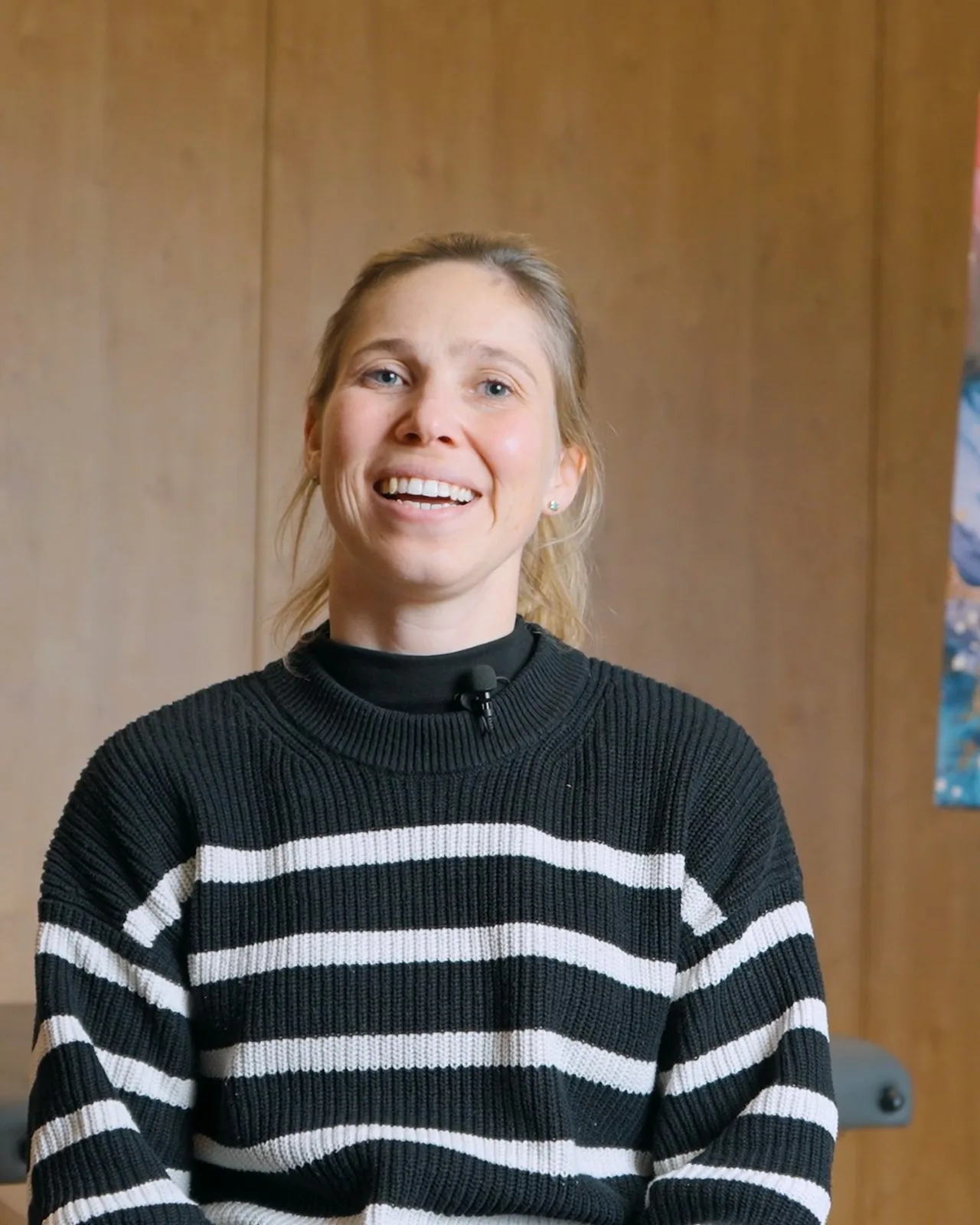
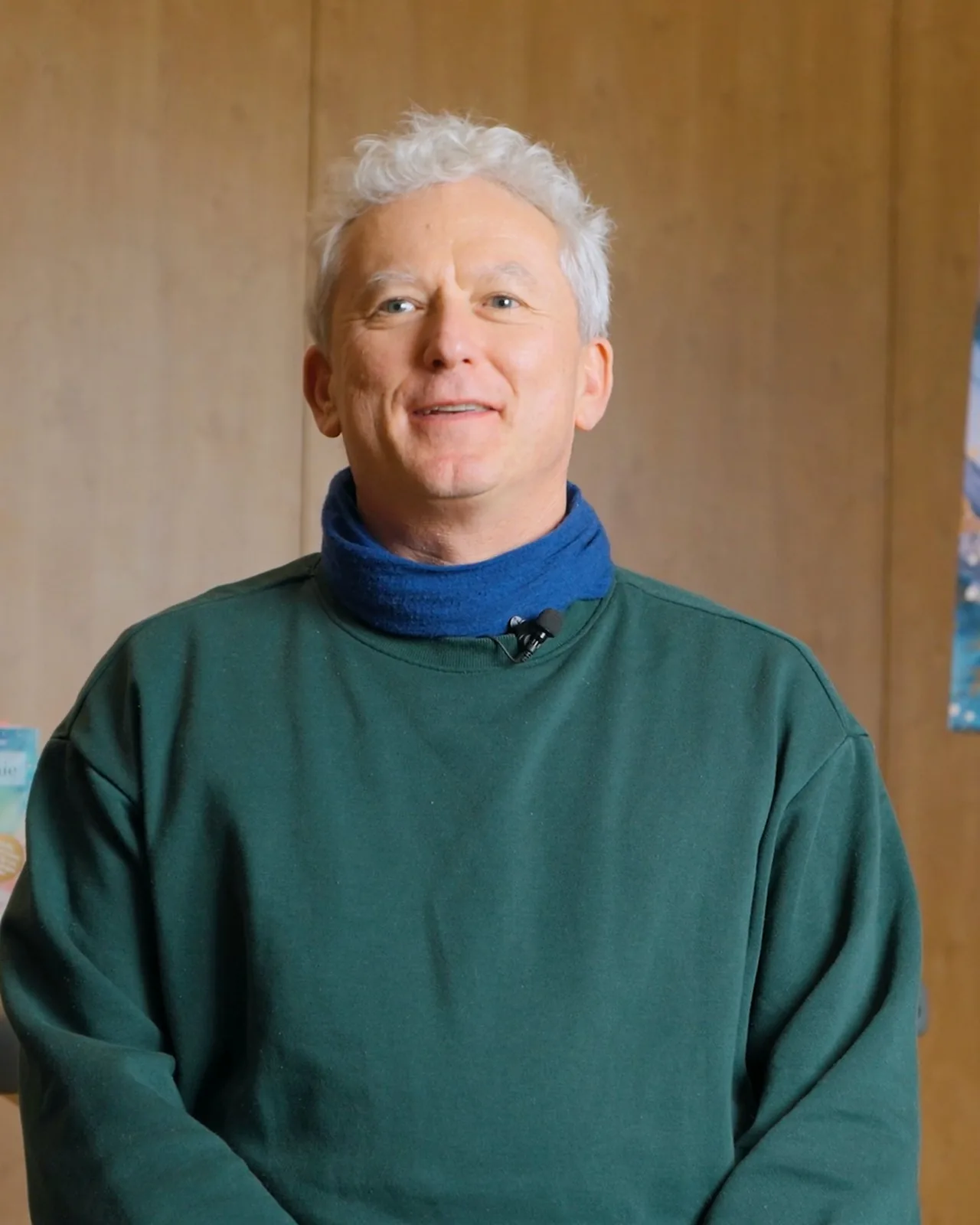
Voices from the profession
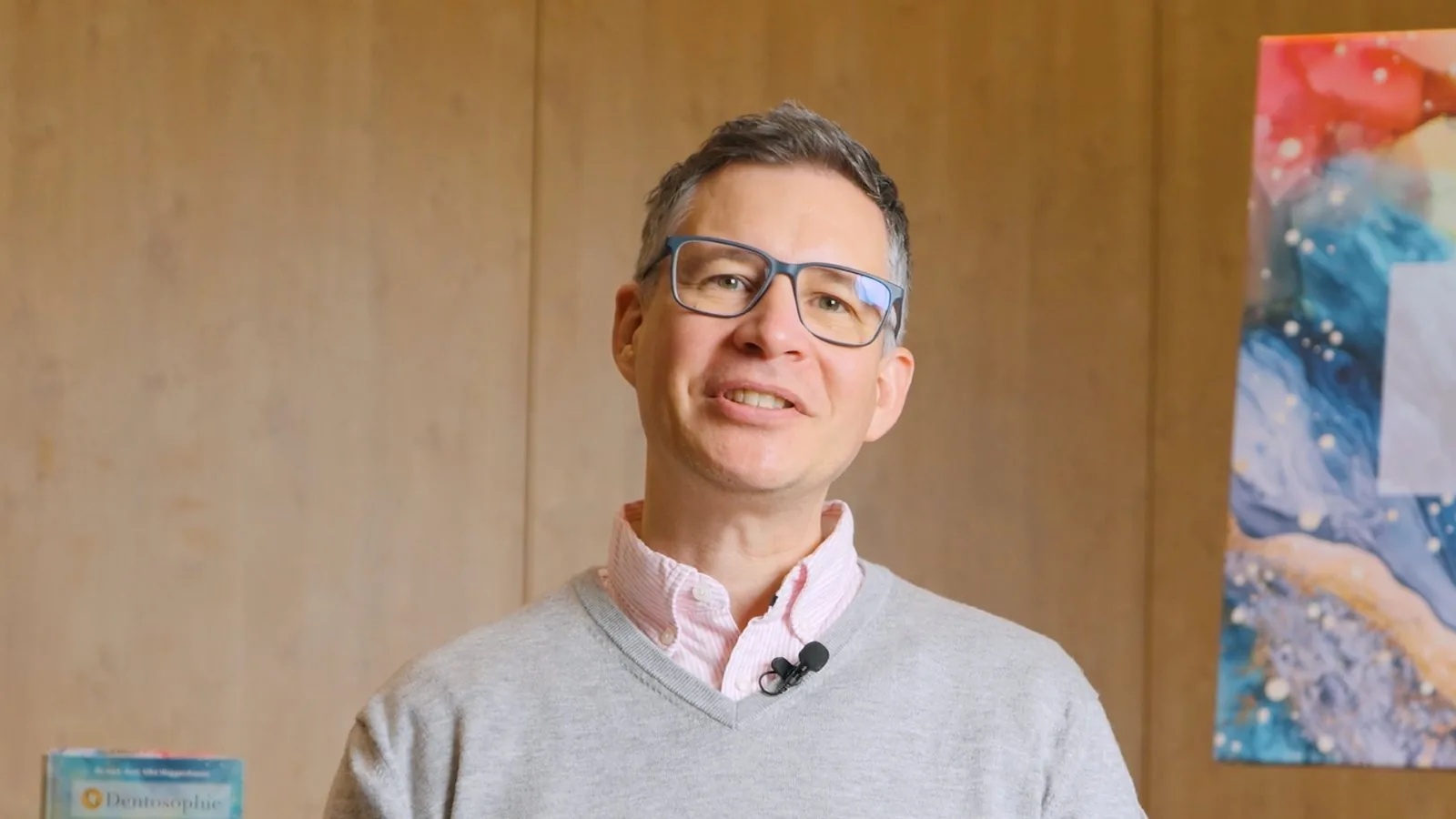
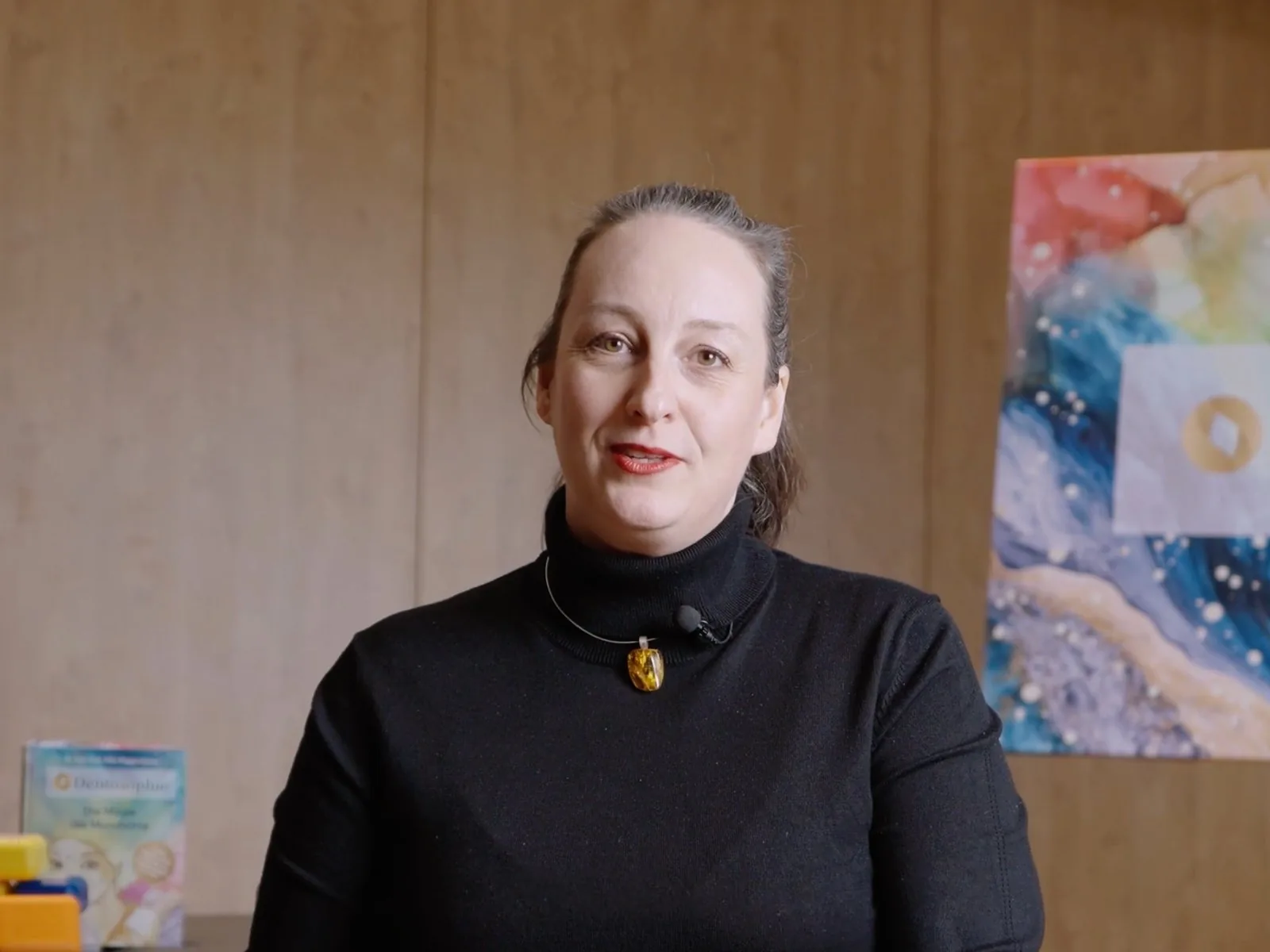
Dentists, a paediatric dentist, a physiotherapist, an osteopath: six participants speak in front of the Dentosophie poster. Silke asks the questions, and name and profession appear on screen.
One shoot, two formats
Widescreen for the website and brand film, vertical for reels. Two website videos and three testimonials are also cut as reels, with subtitles and name captions.
From script to reel.
Sources: original scripts, concept and shooting schedule from November 2024, delivery of the testimonials in June 2025.
Three things that last.

Questions before slides
Professionals want answers rather than a presentation. That is why each video answers exactly one question, and the last one leads to the course.

Peers convince peers
Anyone assessing a training programme listens to people from their own profession. That is why dentistry, physiotherapy and osteopathy speak for themselves.
Chosen on site
The interviewees were chosen spontaneously on the course day, with the target groups in mind. Three planned testimonials became six.
Your project could be next.
In a free, no-obligation 30-minute call, we work out which of this fits your business. Afterwards, you get a fixed-price quote.